Author: bjukuri

  • Victim Finds Her/His Voice

    "A mind convinced against its will, is of the same opinion still" Dale Carnegie.

    What makes us change our minds?

    Is it possible to enter into a dialogue and be persuaded to see life in a new light?

    What stops us from having an open mind; to see the other side?

    I am following a Facebook post where there are two distinct sides. 

    One side who is sharing their experiences of abuse and then those who have not experienced abuse.  

    A side shares how the church (FALC) or religion wasn't supportive.

    Another side claims that of course they would be….or are.

    The volley goes back and forth.

    Will there be a meeting of the minds on this subject?

    How can the dialogue grow into constructive helpful exchanges?

    What happens, in my experience, is that there are two firm sides.

    Are both right?

    Perhaps.

    One side hasn't experienced abuse so doesn't feel it is there.

    The other side has, and it is clear to them.

    However, what then would be the content of the church environment?

    Would it not be those who have been abused and then, those who have not.

    What I guess most are not agreeing with is the amount of abuse.

    The people of the church are weird on this subject, the concept even of there being a huge quantity of abuse within the families who go to this church.

    IF, this were a school, that their children attended, they would withdraw in a heartbeat.

    But, this is different.

    It isn't about the brick and mortar building.

    It isn't about the families themselves.

    IT IS about their faith and way to heaven one day.

    They literally can't leave.

    Nor can they be a believer in the 'badness' of the people of faith.

    It literally would chip away at the wholeness of their belief.

    I have spoke to mothers within the church and when abuse is mentioned within the families that they are part of. When they ask what they can do to keep their children safe, I say, the best you can do is exit the church.  They bulk.  They stop. They refuse to do "that" to keep their children safe.

    I know leaving a church is actually harder for some than staying away from family members that are abusive.

    Both are the only thing that will reduce the threat of abuse for your small child.

    Each time I enter into a conversation like this on line, in a short time, I am told to 'get over it and move along'.  Like, I am the one that is coloring the church with bold strokes of abuse.

    It isn't me.

    I can move along.

    I can be silent.

    I can stop responding to victims.

    AND still abuse will rage on.

    In fact, the best supporter of abusers are those strong unconvinced minds. 

    OH do they love you.

    No matter what ill behavior they go to court for you will refuse to see them in a darker light.

    It is you, "of the same opinion" that are the front lines for the abusers.

    You are their protectors.

    They need you to believe in their innocence.

    To fight us victims.

    To belittle and berate our allegations and experiences of abuse.

    As you do battle with the victims, the abusers are set free.

    I now know, there is nothing I can do with a mind convinced against its will.

    I enter into the conversations for the victims that are brave enough to break their silence.

    We have the conversations NOT for you who are so convinced that the FALC is mostly Lily White, brushed clean from the forgiveness of sins.

    We have the conversations to empower the victims to use their voice.

    To regain the power lost from abuse.

    Speaking out is the answer to the silence of abuse.

    We break the silence, share our stories to take back control of our worlds.

    We don't need your agreement in order to do this.

    Each time a new conversation is started another brave victim finds her/his voice.

    IMG_3775


  • A New Path to Walk

    "Will I Ever Be Good Enough?" by Karyl McBride, strikes cords of familiar experiences.  It makes the crazy making making up mind, appear normal.  We are not nuts, we responded in kind to the landscapes of our childhood. We grew distorted from the maternal narcissism. 

    Here are the 6 faces of narcissistic mothers.

    The Six Faces of Maternal Narcissism

    But enough about me. Let’s talk about you. What do YOU think of me? —Bette Midler as CC Bloom in Beaches6

    My research has identified six types of narcissistic mothers, all within the engulfing-ignoring spectrum. I call them “the six faces.” As you explore this list, please understand that your mother can be primarily one type or a combination of several of these. In addition, the engulfing and ignoring mom can be interwoven into any of the following types.

    THE FLAMBOYANT-EXTROVERT The flamboyant-extrovert is the mother about whom movies are made. She’s a public entertainer, loved by the masses, but secretly feared by her intimate house partners and children. If you can perform in her show, too, all the better. If you can’t, you’d better watch out. She is noticeable, flashy, fun, and “out there.” Some love her, but you despise the outward masquerade she performs for the world. For you know that you don’t really matter to her and her show, except in how you make her look to the rest of the world. Seeing how the world responds to her confuses you. You see that she doesn’t offer the same warmth and charisma to you, her child, as she does to others— to friends, colleagues, family, even to strangers. “If she could only love me, then she could be whatever she wants to be and I wouldn’t care,” you feel. You desperately want her to know you and to let you be yourself too. More often than not, these mothers lead charmed lives and want their daughters to fit into their social world and conform to their mold.

    THE ACCOMPLISHMENT-ORIENTED To the accomplishment-oriented mother, what you achieve in life is paramount. Success depends on what you do, not who you are. She expects you to perform at the highest possible level. This mom is very proud of her children’s good grades, tournament wins, admission into the right college, and graduation with the pertinent degrees. She loves to brag about them too. But if you do not become what your accomplishment-oriented mother thinks you should, and accomplish what she thinks is important, she is deeply embarrassed, and may even respond with a rampage of fury and rage. A confusing dynamic is at play here. Often, while the daughter is trying to achieve a given goal, the mother is not supportive because it takes away from her and the time the daughter has to spend on her. Yet if the daughter achieves what she set out to do, the mother beams with pride at the awards banquet or performance. What a mixed message. The daughter learns not to expect much support unless she becomes a great hit, which sets her up for low self-esteem and an accomplishment-oriented lifestyle.


    THE PSYCHOSOMATIC MOTHER -The psychosomatic mother uses illness and aches and pains to manipulate others, to get her way, and to focus attention on herself. She cares little for those around her, including her daughter, or their needs. If your mother was like this, the only way you were able to get attention from her was to take care of her. If you failed to respond to her, or even rebelled against her behavior, Mom would play the victim by becoming more ill or have an illness-related crisis to redirect your attention and make you feel guilty. I call this the “illness control method.” It is very effective. If the daughter does not respond, she looks bad and feels like a loser who can’t be nice to her mother. The most important thing to the psychosomatic mother is that her daughter be there to care for her and understand her. Many times the psychosomatic mother uses her illnesses to escape from her feelings or from having to deal with a difficulty in life. The daughter will commonly hear from her father or other family members, “Don’t tell your mother. It will upset her or make her sick.” Some daughters learn that being sick themselves brings some attention from their psychosomatic mothers because illness provides a common bond. The mother can relate to illness and is able to communicate about it with the daughter, but the daughter must be careful not to be sicker than her mother is, because the mother will not feel cared for, which she is entitled to.

    THE ADDICTED In Rebecca Wells’s novel Divine Secrets of the Ya-Ya Sisterhood, Sidda describes the sound of her mother’s voice as “the cacophony of five jiggers of bourbon.” Although “two thousand miles apart, Sidda could hear the ice cubes clinking” as she talks to her mother on the phone. She then says, “If anyone ever made a movie about her childhood, that would be the soundtrack.” 8

    The parent with a substance-abuse problem will always seem narcissistic, because the addiction speaks louder than anything else. Sometimes when an abuser sobers up, the narcissistic behavior goes away. Sometimes not. But while users are using, their focus is always on themselves and their god, the addiction. Children of alcoholics and other substance abusers know this well: The bottle or the drug of choice always comes before anything or anyone else. Substance abuse is an effective way to mask feelings. Clearly, the mother who shows up drunk at her daughter’s choir concert is not thinking of her daughter’s needs.

    THE SECRETLY MEAN The secretly mean mother does not want others to know she is abusive to her children. She usually has a public self and a private self, which are quite different. Daughters of the secretly mean describe their mothers as being kind, loving, and attentive when out in public, and abusive and cruel at home. It is hard not to feel significant resentment toward your mother for this, especially if she fooled a lot of people outside the family. If you had this mother, you know how awful this inconsistent behavior feels. In church your mother has her arm around you and gives you some gum from her purse with a warm smile. At home, when you ask for the gum, or reach out to her, you get slapped and demeaned. This mother is capable of announcing in public, “I am so proud of my daughter. Isn’t she beautiful?” and then saying at home, “You really should lose some weight, your hair is a mess, and you dress like a slut.” These unpredictable, opposite messages are crazy-making.

    THE EMOTIONALLY NEEDY While all narcissistic mothers are emotionally needy at some level, some show this characteristic more openly than others. These mothers wear their emotions on their sleeves and expect their daughters to take care of them, a losing proposition for children, who are expected to calm their mothers, listen to their adult problems, and solve problems with her. Of course, these children’s feelings are neglected and you are unlikely to get anywhere near the same nurturance that you are expected to provide.

    Now that you’ve had this inside look at many different types of narcissistic mothers, it is important to emphasize a few things. First of all, our mothers weren’t born this way. They most likely faced insurmountable barriers to love and empathy when they were children. In part 3 of this book, one of your challenges will be to explore your mother’s background, so that you will have a deeper understanding of the reasons for her behavior. This does not take away your pain, but allows you to empathize and forgive her to a degree that will help your recovery. No narcissist operates in a vacuum. In the next chapter, we’ll do some family study and take a look at the rest of the narcissistic nest.  Karyl


    When I copied the above, I did not copy the examples of each type of mother, just gave you the definition.  

    What has stayed with me over the past few days, is how the affects of being raised as a narcissistic is becoming one.  We who were raised not to have our own feelings, WILL depend upon others to help us with our feelings.

    I know, there will be many who will think that I have sunk to a new low, that now I am lambasting my mother, to the extent of finding NO good within her.  Not only was she married to a pedophile, she was also in her own right, abusive with her maternal narcissism.

    That is the makeup of my parents. It is in this environment that I was raised in. And, it totally explains why I was the way I was.

    Without acknowledging and accepting who they were, I cannot find out who am I.

    In the book, she isn't intent on blaming. She is however, into finding the answers to why we didn't automatically have an inner sense of self – self-love and worthiness.

    Unless you have experienced the solid dense unfeeling inside, you can't know how puzzling this is.

    The greatest feelings I had for my parents were not on the scope of what a child should have for their parents.  Mine were weird.  Fear, Resentment, rage, angst, trying to be good enough, not being able to just be me….etc.

    Absent was the comfort and care and feeling of safety.

    The nurturing feelings never showed up.

    Until, I began mothering myself.

    I would say the most like my mother is the EMOTIONALLY NEEDY and SECRETLY MEAN.

    And, these would have been my labels as well.  I also only noticed, what my kids did or didn't do for me.  I was all about the doings…not about the being who they were born to be.

    Reading this book and seeing the lay of the land has been helpful on so many levels. It as I said, explains how I grew to be who I was…and even how I was able to undo the damage over a long period of time. 

    My adult children all lived at home for a period of about 3 years.  I knew then, it was so I could re-do my program of mothering. I had the opportunity to show them a new mother.

    While it doesn't erase away the affects of my maternal narcissistic mothering, it did however give them a start on a new pathway.

    It released them from my narcissistic expectations of them.

    I am so very grateful to have been given the opening to see who my mother was and to change the way I mothered.  The difference between maternal nurturing and maternal narcissism is so wide; there are no common denominators.

    One has a woman who is secure in her own self – her own self-love and worthiness.

    The other has no sense of who she is inside. She is a stranger to herself. She relies solely on others to create her.  She is at the will of the world as her emotions are ruled by others.  All her intents to love come out as abuse.  She is loveless.  Unloving. Self absorbed.

    My parents were the perfect match. Inside of both of them lay the un-expressed wounds of their childhoods.  That is the program and legacy they passed on.

    Unless and until you see who your parents ARE, you will pass along your wounds. You cannot love yourself while you are still in love or protecting a narcissistic parent.

    It is impossible to feel the love of self, until you feel the absence of maternal/paternal love.

    While this book may seem like the second blow I swung to our family, it is actually the second gift in understanding our past.  The key to undoing the distorted love.

    We need to find out what is contorted. What is twisted out of shape?

    Is it us?

    Were we born this way?

    I love how reality is always kinder.

    When I saw the narcissistic ways of my parents, I was then able to see myself without the distorted love image.

    This inner distorted image we are given being raised by self-absorbed people is that we are worthless and not good enough. 

    Once you see the reality, you see yourself as being worthy.

    "The soul felt it's worth"….

    And, once you know this, you can't not know it.

    The difference of living from the place of value, compared to no value is like breathing or not breathing. Living or not living. Free or not free.  Love or fear.

    While it may seem like a mission to destroy your parents, it is actually the mission to destroy the distorted sense of self you were given.

    Our new self discovery will change the legacy of our family.

    Their pain wasn't all in vain.

    Some of us, found a new path to walk.

    IMG_3812


  • Soul Danced

    More from "Will I Ever Be Good Enough" by Karyl McBride.

    "Self-trust, self-love, and self-knowledge can be taught to a daughter only by a mother who possesses those qualities herself. Furthermore, to pass them on successfully, a mother needs to have created an engaged and balanced relationship with her daughter. One of the problems with narcissism is that it does not allow for balance. Daughters of narcissistic mothers live in family environments that are extreme. True to their legacy of distorted love, which has been carried over from generation to generation, most narcissistic mothers either severely over-parent (the engulfing mother) or severely under-parent (the ignoring mother). Although these two parenting styles are seemingly opposite, to a child raised with either narcissistic style, the impact of the opposite is the same. Your self-image becomes distorted and feelings of insecurity seem impossible to shake.

    The engulfing mother smothers, seemingly unaware of her daughter’s unique needs or desires. Perhaps you were raised like this. If so, it is likely that the natural talents you had, the dreams you wanted to pursue, and maybe even the relationships most important to you were rarely nurtured. Your mother constantly sent messages to you about who she needed you to be, instead of validating who you really were. Desperate to merit her love and approval, you conformed, and in the process, lost yourself.

     If you were raised by an ignoring mother, the message she gave you over and over was that you were invisible. She simply did not have enough room in her heart for you. As a result, you were dismissed and discounted. Children with severe ignoring mothers do not receive even the most basic requirements of food, shelter, clothing or protection, let alone guidance and emotional support. Lack of a consistent home environment may have made you feel insecure, unhealthy, or unsuccessful at school. Emotional and physical neglect sends you the message that you don’t matter.

    Having a narcissistic mother, whether she is engulfing or ignoring, makes individuation— a separate sense of self— difficult for a daughter to accomplish. Daughters with unmet emotional needs keep going back to their mothers, hoping to gain their love and respect at a later date. Daughters who have a full emotional “tank” have the confidence to separate in a healthy fashion, and move on into adulthood. Later, in the recovery chapter, we will address this in greater depth. For now, let’s look at the different faces of engulfing and ignoring mothers and their effects on daughters. Karyl


    Here is what was puzzling even to me.  I was a narcissistic mother and did not know it.

    The devastating moment in my life when my world fell apart, was when I found a very small self that I followed.  This self is the self that was hidden far beneath the layers of narcissism.

    The self that the church didn't want.

    The self that my mother didn't see.

    The self that I never even knew existed.

    I was self-less, worthless and never enough.  And, when I mothered from there, I gave distorted love.  I didn't see my children as themselves; but an extension of me.  

    On the spectrum I was; perhaps not the worst, but I was clearly there.

    I had to be.

    Coming from whence I came.

    While I have written about my waking up from denial or that denial is my mental illness.  I didn't know that it had a more clinical name.  Narcissism.

    I can clearly remember how I would mother from the far poles of extremes. 

    I can also remember being mothered that way.

    Where it was either all controlling or nothing at all.

    The silence of disapproval deafening.

    The widest hole or biggest gap in the dialogue between me and my estranged family IS the middle.

    Its option isn't available to us.

    They don't even know they are wearing a spectrum of narcissism.

    I find this wildly exciting and completely horrifying to be a recovering narcissistic.

    But my life and world makes more sense.

    I had such issues with my mother, that did seem to go beyond her religious zealous, but I couldn't define it, until this book.

    I knew she played a bigger part in my own dysfunction…that was equal to or greater than my father's sexual abuse.

    I marvel at the hurdles I have had to overcome to be at peace and love myself.

    In the recovery part of the book, we are supposed to come up with "gifts" from our narcissistic parents. That no one is all bad. We did receive good from them too.

    I don't know what my list would hold.

    What good has come from them?

    Perhaps I will need more distance to see this.

    My recovery may be too new.

    The wound barely healed.

    My sights have been on what I have denied, the bad destructive behaviors that I called normal had to be uncovered, felt, and re-worked.

    I will let the list be for now.

    What I know for sure, is how grateful I am to have been given the opportunity to live a life the opposite from being a narcissistic. To be free and self-loving. To live from the middle.

    I also know, that when I find myself in the land of extremes, it is another aspect of narcissism I have to heal.

    What also came to me today, as I pondered the book, was that my estranged family too are on the spectrum. They also have experienced maternal narcissism as their nurturing. 

    As we are separated physically, we are completely attached via the legacy of distorted love that we were given.

    The reason we can't communicate and understand each other is they are still speaking the language of distorted love and I don't love like that no more.

    How grateful am I that I was able to finally see myself. Even if the self was so small it was barely discernible. 

    This little spark is what I mothered, while I simultaneously mothered my children.

    Each sense of self and love, and self trust that grew, so did my ability to nurture.

    It is wildly incredible that a raging narcissist was in charge of healing me. 

    Of recovering the little innocent girl and allowing that little girl to overcome the narcissistic.

    Amazing.

    I knew that there was a mental lady in charge of me finding myself.

    and, loving myself.

    Trusting that the small little self could lead me towards love, peace and joy!

    And, she did!

    Perhaps that is the gift I am most grateful for. 

    The mental lady allowed me to take the lead.

    And, my soul danced!

    12316601_10205163557071085_4505854531650587953_n


  • “Will I Ever Be Good Enough”

    "Will I Ever Be Enough" by Dr. Karyl McBride was recommended to me.  

    I listened to 9 chapters on the mail route yesterday, and then bought the kindle edition, because there are many things I want to share on this blog.

    I didn't think that I would learn more about myself and my mother, but I was wrong.

    I have contributed all my 'mental-ness' from either sexual abuse or the cult-like religion and its impacts upon me, when in fact, a huge section of who I was/am is due to maternal narcissism.

    Who knew???

    This completes the puzzle of me!

    Here is some of what is in this book.  (this is a very long post, but packed with information that helps me understand the relationship between my mother and I)

    "The more I learned about maternal narcissism, the more my experience, my sadness, and my lack of memory made sense. This understanding was the key to my beginning to recover my own sense of identity, apart from my mother. I became more centered, taking up what I now call substantial space, no longer invisible (even to myself) and not having to make myself up as I go along. Without understanding, we flail around, we make mistakes, feel deep unworthiness, and sabotage ourselves and our lives."

    "I realized that there are mothers who are so emotionally needy and self-absorbed that they are unable to give unconditional love and emotional support to their daughters."

    Below is a questionnaire I heard.  

    What is amazing to me, is first, the term maternal narcissism.  And secondly, the effects of being raised by one.  I would like to note, that these narcissistic mothers, don't treat all their children the same.  And, IF you have a caring, empathetic grandmother or aunt who you spent time with, it can reduce the impact of their behavior.  My experience of my mother will not be the same for others in the family. Also narcissistic mothers treat daughters differently than sons. 


    Questionnaire: Does Your Mother Have Narcissistic Traits?

    Mothers with only a few traits can negatively affect their daughters in insidious ways. (Check all those that apply to your relationship with your mother— now or in the past.)


    1.When you discuss your life issues with your mother, does she divert the discussion to talk about herself?

    2. When you discuss your feelings with your mother, does she try to top the feelings with her own?

    3. Does your mother act jealous of you?

    4. Does your mother lack empathy for your feelings?

    5. Does your mother support only those things you do that reflect on her as a good mother?

    6. Have you consistently felt a lack of emotional closeness with your mother?

    7. Have you consistently questioned whether or not your mother likes you or loves you?

    8. Does your mother do things for you only when others can see?

    9. When something happens in your life (accident, illness, divorce), does your mother react with how it will affect her rather than how you feel?

    10. Is your mother overly conscious of what others think (neighbors, friends, family, coworkers)?

    11. Does your mother deny her own feelings?

    12. Does your mother blame things on you or others rather than own

    13. Is your mother hurt easily and does she carry a grudge for a long time without resolving the problem?

    14. Do you feel you were a slave to your mother?

    15. Do you feel you were responsible for your mother’s ailments or sickness (headaches, stress, illness)?

    16. Did you have to take care of your mother’s physical needs as a child?

    17. Do you feel unaccepted by your mother?

    18. Do you feel your mother is critical of you?

    19. Do you feel helpless in the presence of your mother?

    20. Are you shamed often by your mother?

    21. Do you feel your mother knows the real you?

    22. Does your mother act like the world should revolve around her?

    23. Do you find it difficult to be a separate person from your mother?

    24. Does your mother want to control your choices?

    25. Does your mother swing from egotistical to depressed mood?

    26. Does your mother appear phony to you?

    27. Did you feel you had to take care of your mother’s emotional needs as a child?

    28. Do you feel manipulated in the presence of your mother?

    29. Do you feel valued by your mother for what you do, rather than for who you are?

    30. Is your mother controlling, acting like a victim or martyr?

    31. Does your mother make you act different from how you really feel?

    32. Does your mother compete with you?

    33. Does your mother always have to have things her way?

    Note: All of these questions relate to narcissistic traits. The more questions you checked, the more likely your mother has narcissistic traits and  this has caused some difficulty for you as a daughter and an adult.


    "When you grow up in a family where maternal narcissism dominated, as an adult you go through each day trying your hardest to be a “good girl” and do the right thing. You believe that if you do your best to please people, you’ll earn the love and respect you crave. Still, you hear familiar inner voices delivering negative messages that weaken your self-respect and confidence. If you are a daughter of a narcissistic mother, you likely have heard the following internalized messages repeatedly throughout your life:

    • I’m not good enough.

    • I’m valued for what I do rather than for who I am.

    • I’m unlovable.

    Because you have heard such self-negating messages year after year— messages that are the result of inadequate emotional nurturing when you were little:

    • You feel emptiness inside, and a general lack of contentment.

    • You long to be around sincere, authentic people.

    • You struggle with love relationships.

    • You fear you will become like your mother.

    • You worry about being a good parent.

    • You have great difficulty trusting people.

    • You feel you had no role model for being a healthy, well-adjusted woman. 

    • You sense that your emotional development is stunted.

    • You have trouble being a person separate from your mother.

    • You find it difficult to experience and trust your own feelings.

    • You feel uncomfortable around your mother.

    • You find it difficult to create an authentic life of your own.

    Even if you experience only a few of these feelings, that’s a lot of anxiety and discomfort to carry around. As you learn more about the mother-daughter dynamic associated with maternal narcissism, it will become clear to you how you came to feel as you do.

    My research into maternal narcissism identified ten common relationship issues that occur between mothers and daughters when the mother is narcissistic. You may relate to all or only some of these issues, depending on where your mother falls on the maternal narcissism spectrum, from a few traits to the full-blown narcissistic personality disorder. Let’s take a look at these ten mother-daughter dynamics associated with maternal narcissism, which I refer to as “the ten stingers.” To help us better understand how these dynamics get played out in real life, I’ve illustrated them with clinical examples from my practice as well as… 

    THE TEN STINGERS 

    1.You find yourself constantly attempting to win your mother’s love, attention, and approval, but never feel able to please her. Both big and little girls want to please their mothers and feel their approval. Beginning early in life, it is important for children to receive attention, love, and approval— but the approval needs to be for who they are as individuals, not for what their parents want them to be. But narcissistic mothers are highly critical of their daughters, never accepting them for who they are. \

    • If Madison Avenue ever needed to come up with a commercial aimed at daughters of narcissistic mothers, my client Jennifer could have provided them with the perfect image. During our first session, she told me that she felt like standing on a street corner holding a sign that read “Will Work for Love.”

    Jennifer recalled always trying hard to please her mother, but one story from her childhood was particularly telling. One day in a department store, she watched her mother hold a beautiful little coin purse and understood how much  her mother wanted it. She vowed somehow to get it for her, even though she was only eight years old and it was expensive. She skipped lunches at school for weeks on end until she had saved enough money to buy the elegant purse for her mom. She wrapped it in shiny red paper and saved the surprise for Christmas. On Christmas morning, she eagerly awaited her mother’s reaction to the gift, but was crushed when her mom accused her of stealing it and threw it across the room, screaming, “I don’t want a gift from a thief!”

    • Mindy describes herself as a “messy type” and her mother as “Ms. Anal Retentive— a clean freak.” She told me, “I tried for years to be clean and organized to get her approval, but I am not like her. I am right-brained. I try to keep things organized and neat, but clutter happens to me against my will. I guess I’m the creative type, and she didn’t like that. I’m now fifty years old, and still when Mom comes to visit, she can’t withhold her disapproval if the newspapers are scattered across the living room floor.”

    • Lynette never could get her mother’s approval. Her mom was an accomplished pianist, and Lynette strove to be just like her. Although she spent years studying piano and giving recitals, she could never live up to her mom’s expectations. “Mom still clucks when I make mistakes,” she told me. Lynette decided that maybe her choice of boyfriend would finally do the trick. “When I met my husband, I thought to myself, Wait till she meets this guy. She’ll love him and be happy that I chose him. I was hoping that she would adore him and that would finally give me the approval I needed. But after meeting him, she actually asked me if I thought he was cute, because she thought he looked a little rough around the edges and not as refined as she had hoped.”

    • Bridget remembers giving her mother gifts to prove her love. She felt particularly sad about a Mother’s Day plaque she gave her mom, with the phrase “World’s Best Mom” printed on it. “Mom really didn’t like it. She hung it up for a while and then took it down and gave it back to me. Mom said it didn’t fit her decor when she redecorated her kitchen. I still have it. I just gave up after a while.”

    2. Your mother emphasizes the importance of how it looks to her rather than how it feels to you. “It’s much better to look good than to feel good” could easily be a narcissistic mother’s mantra. Looking good to friends, family, and neighbors, rather than feeling good inside, is what’s most important to her. A narcissistic mother sees you as an extension of herself, and if you look good, so does she. It may appear on the surface that she is concerned about you, but at the end of the day it is really all about her and the impression she makes upon others. How you look and act is important to her only because it reflects her own tenuous self-worth. Whenever you are not on display and can’t be seen by others, you become less visible to her. Sadly, how you feel inside is not really important to her.

    • Twenty-eight-year-old Constance tells me, “My mother is involved in every aspect of my life: how skinny I am, the clothes I wear, the right hair color, even my career. I’ve never been fat, but she put me on diet pills when I was 12 and started doing my makeup for me when I was 15, explaining, ‘Men leave women who let themselves go.’ When I disagree with her taste, she demeans and criticizes me. Even now as an adult, when I go home I make sure to have my ‘mother look’ in place. I starve myself for two weeks before the visit to be thin enough.”

    • Gladys reported moments in her childhood when her mother tried to be a good mom. “But she could never just put her arms around me to comfort me. One time I had lost out on an audition for a high school play, and I felt sorely dejected. I just needed a hug. I think she felt bad for me, but she couldn’t tune in to my feelings. Instead, she did the strangest thing. She went out and bought me some go-go boots and proudly announced that if I felt bad inside, at least I could look good the next day at school. Now I wonder if she was the one who was embarrassed that I lost the audition.”

    3. Your mother is jealous of you. Mothers are usually proud of their children and want them to shine. But a narcissistic mother may perceive her daughter as a threat. You may have noticed that whenever you draw attention away from your mother, you’ll suffer retaliation, put-downs, and punishments. A narcissistic mother can be jealous of her daughter for many reasons: her looks, material possessions, accomplishments, education, and even the girl’s relationship with her father. This jealousy is particularly difficult for her daughter, as it carries a double message: “Do well so that Mother is proud, but don’t do too well or you will outshine her.”

    • Samantha has always been the petite one in the family. She says that most of her relatives are overweight, including her mother, who is obese. When Samantha was 22, her mother ripped her clothes out of the closet and threw them to the bedroom floor, exclaiming, “Who can wear a size four these days? Who do you think you are? You must be anorexic, and we’d better get you some help!”

    • Felice, 32, told me, “My mother always wanted me to be pretty, but not too pretty. I had a cute little waist, but if I wore a belt that defined my waistline, she told me I looked like a slut.”

    • Mary sadly reported, “Mom tells me I’m ugly, but then I am supposed to go out there and be drop-dead gorgeous! I was a homecoming queen candidate and Mom acted proud with her friends but punished me. There’s this crazy-making message: The real me is ugly, but I am supposed to fake it in the real world? I still don’t get it.”

    4. Your mother does not support your healthy expressions of self, especially when they conflict with her own needs or threaten her. When children are growing up, they need to be able to experience new things and learn to make decisions about what they like and don’t like. This is partly how we develop a sense of self. When mothers are narcissistic, they control their child’s interests and activities so that they revolve around what the mothers find interesting, convenient, or nonthreatening. They do not encourage what their daughters truly want or need. This can even extend to a daughter’s decision to have a child of her own.

    • In the movie Terms of Endearment, the family is at the dinner table when the daughter announces that she is pregnant. Her mother screams and runs from the room, saying that she is not ready to be a grandmother. Clearly, the daughter’s pregnancy is not about her— it’s all about her mother!

    • Like the daughter in the film, Jeri’s ability to express herself was inhibited by her mother’s inability to see beyond her own needs. Jeri was always artistic as a child and began winning awards for her art in the third grade. Later she won an award for a painting that included a full scholarship to an art school, but she never took advantage of it. “I never got to use the scholarship,” Jeri told me, “because my mother didn’t want to drive me to the school. She thought it was a hassle.”

    • Ruby longed to be involved in various school activities, but when she got the lead in the school musical, her mother was furious. “You don’t have time to go to all of those rehearsals! You won’t be able to get everything else done around here,” she screamed. Her mother made Ruby do all the household chores each day before she could even begin her schoolwork, let alone memorize her lines in the play. Ruby’s mother gave her a hard time throughout the rehearsal period of the play, but when the night of the performance came around and Ruby did a good job in spite of her mother, Mom threw a huge party for her own friends to celebrate “my daughter the star.” Yet none of Ruby’s friends were invited to the party and Ruby’s mother somehow forgot to tell her she did a good job.

    • A mother can feel so threatened by her daughter’s success that she won’t even bring herself to attend a graduation. Maria told me that her mom gave the excuse that she couldn’t attend Maria’s college graduation because it was too hot that day. Maria wasn’t surprised; her mother had never shared any of the trust fund money left by Maria’s late father but had used it on herself, rather than helping her daughter pay for college as her father had intended. “I had to work my ass off to put myself through college and never got a dime from her,” Maria told me.

    5. In your family, it’s always about Mom. Even though “It’s all about Mom” is one of the central themes throughout this book, I’ve added this stinger here to illustrate some specific examples of how this plays out in the mother-daughter aspect of her life. The doctor had started her on antidepressants, and for the first time in a long time she hoped that she would be feeling better soon. She told her mother that she was about to try Prozac and showed her the prescription bottle. Her mother grabbed the bottle and threw away the pills, saying, “How could you do this to me? Have I been that bad a mother?”

    • “It’s all about Mom” can play out in fairly obvious displays of maternal competition. Penny’s mother usurped the spotlight that normally would have been on the daughter before her wedding. “I had seen a beautiful silver sugar bowl and creamer at a local shop, and told my family that I planned to buy these items with the wedding money we had received. But when I went back to the store the following week to buy the set, it was gone. I thought nothing more about it until Christmas morning, when I was opening presents with my family. My mother had gotten a gift of that very sugar bowl and creamer from my dad. Turns out she had sent him to the shop I’d told them about— to get it for her. Then to top it off, she used the silver set to upstage me at a pre-wedding party. In the South it is customary before the wedding to have a tea and set up a table to show off your wedding gifts. My mother actually arranged a display table of her own. After people looked at my table, my mother would say, ‘Now come here and look at the really beautiful sugar and creamer I got.’ She never realized how her competitiveness affected me.” Penny’s mother goes to elaborate lengths to demonstrate that it’s all about her.

    6. Your mother is unable to empathize. Lack of empathy is a trademark of narcissistic mothers. When a daughter grows up with a mother who is incapable of empathy, she feels unimportant; her feelings are invalidated. When this happens to a young girl, an older girl, or even a grown woman, she often gives up talking about herself or tuning in to her own feelings.

    • Alice was distraught over her divorce, and her mother constantly pressed her for details, which didn’t help. She would ask Alice, “Who’s getting the house? What about custody issues? Which attorney did you hire?” Reluctantly, Alice answered all her mother’s questions, but when she tried to express how the divorce was making her feel, her mother would have none of it. Instead, she focused on how much alimony Alice should ask for and what her attorney should be doing. Unable to tune in to Alice’s emotional pain, her mother made her daughter feel unimportant. Alice kept asking herself, “But what about how I feel? Do I matter?”

    7. Your mother can’t deal with her own feelings. Narcissists don’t like to deal with feelings— including their own. Many daughters I’ve worked with grew up denying or repressing their real feelings in order to put on an act they learned their mother wanted to see. These daughters describe their mothers as going “stone cold” or “fading into the woodwork” when feelings are discussed. Some report that their mother can express only anger, which she does often. When a mother’s emotional range is limited to cold, neutral, or angry, and she doesn’t allow herself or her daughter to express her true feelings, the two will have a superficial relationship with very little emotional connection.


    • Brenda tells me, “My mother deals with feelings like a hurricane. Everything in her path gets destroyed. She yells a lot and swears a lot. It’s always everybody else’s fault. She doesn’t deal with her feelings.”

    • Helen was on a wonderful European trip after she graduated from college. She had met a guy and was thinking of marrying him. She eagerly called her mother back in the States to discuss her feelings. Mom said, “I don’t want to discuss this,” and hung up on her. To this day, Helen still wonders what her mother was thinking. Yet, even though Helen is in her forties now, she has never asked her mother about this emotionally charged incident. She learned early in life never to bring up “feelings” issues.

    • Stacy wanted very badly to discuss her childhood with her mother, which she’d never been able to do, because her mother would get too angry. But Stacy had been in therapy and made great strides toward her own recovery. She planned to have a long talk with her parents when they were in town for a visit. This time she felt the changes she’d gone through would help her communicate differently with her mother. In her backyard, chatting about the children and the family barbecue they would have that day, Stacy mentioned to her mother that she would love to be able to speak openly with her, as she now does with her own children, but as soon as she brought up childhood feelings, her mother began to drift away and become preoccupied with weeding the garden. Rather than get angry, her mother clammed up and completely withdrew, leaving Stacy virtually alone. After an uncomfortable moment of silence, Stacy and her mother went back to talking about the food for the family get-together, as though nothing had happened. When Stacy described this to me in therapy, I asked her how it felt. She had no words, but tears fell as she sat very still for a few minutes. Then with a sigh, she said, “There is no me; there can’t be with her.” Stacy saw that her mother can’t deal with her own feelings or her daughter’s, and that the emotional distance from her mother was truly unbridgeable.

    8. Your mother is critical and judgmental. It is very hard for an adult to get over being constantly criticized or judged as a child. We become overly sensitive about everything. Narcissistic mothers are often critical and judgmental because of their own fragile sense of self. They use their daughters as scapegoats for their bad feelings about themselves, and blame them for their own unhappiness and insecurity. Children— and sometimes adults— don’t understand that the reason Mom is so critical is because she feels bad about herself, so instead of recognizing the criticism as unjust or a product of their mothers’ frustration, they absorb it. (“ I must be bad, or Mother would not be treating me like this.”) These negative messages from our early upbringing become internalized— we believe them to be true— causing us great difficulties later in life. A narcissistic mother’s criticisms create a deep feeling within her daughter that she is “never good enough.” It is incredibly hard to shake.

    • Marilyn’s unique talents were overlooked by her mother, who could focus only on— and criticize— what she perceived as Marilyn’s faults. Her mother was a good dancer and valued people who were “into music,” particularly those who could dance well. She sent Marilyn to ballet and tap lessons as soon as she could walk and talk. But Marilyn was a singer, not a dancer. “Mom told me I was unteachable— a klutz. She would even tell this to her friends, and I remember them laughing about it. Even though I was good at singing, all she could say was, ‘Too bad she can’t dance.’  ”

    • When Sharon married her third husband, she was afraid to announce the news to her parents because she knew her mother would be wary and critical. After Sharon told them the exciting news, her mother said, “I could get a spot in Guinness World Records. I could tell them I have only one daughter, but three sons-in-law!” Sharon cried almost the entire hour when she told me this story, and I have to admit, I cried with her.

    • Ann related in therapy that she tries hard to be independent, but her mother has affected how she views the world and feels about herself. “I’m insecure about my abilities. I always sense that my mother is looking over my shoulder, and if I make the tiniest error it’s like she’s there judging me. Everything I do has a piece of ‘What would Mom think?’ in it. She’s always a voice in my head.”

    9. Your mother treats you like a friend, not a daughter. In a healthy mother-daughter relationship, the mother acts parental and takes care of the child. The daughter should be able to rely on her mother for nurturing, not the other way around. During the childrearing years, the two should not be friends or peers. But because mothers with narcissistic traits usually did not receive proper parenting themselves, they are like needy children inside. With their own daughters, they have a captive audience, a built-in source for the attention, affection, and love they crave. As a result, they often relate to their children as friends rather than offspring, using them to prop themselves up and meet their emotional needs. Sometimes being a supportive friend to her mother is the only way for the daughter to get positive strokes from Mom. The daughter may fall into the friend role willingly, not even realizing there is something terribly wrong with the arrangement until much later in life.

    • Ever since Tracy can remember, her relationship with her mother was like being best friends. She says, “I was only 12, and I would hang out with Mom and her friends. I would cut her friends’ hair, and we would all go on diets together. My mom and I were totally enmeshed. She would tell me everything about her friends, my dad and their relationship, including the sexual stuff. It didn’t matter that I was uncomfortable hearing all that. She needed me to be there for her.”

    • Cheryl’s mother was a single parent and dated constantly. When she arrived home from dates, she would tell Cheryl all about the man she dated, what they did and how she felt about him. “My mom’s total life was about dating, and I had to hear about every escapade. I really wanted Mom to be into me and what I was doing, but we always had to talk about her boyfriends and her emotional life.” Cheryl also said that her mother left her with a nanny most of the time and didn’t bother coming to any of her school activities. “She didn’t even know who I was dating or what I was involved with at school, but I knew all about her social scene.”

    There are many adult topics to which children should not be exposed. Children need to be allowed to be children, to focus on the things that matter to them, and they should not be burdened with adult concerns. Narcissistic parents involve their children prematurely in the adult world. A narcissistic mother who constantly confides in her daughter about difficulties in her relationship with her husband, for example, does not understand how painful this can be for her child. The daughter knows that she shares traits with her father as well as her mother, so criticizing a young child’s father is like criticizing the daughter too. The daughter needs to be allowed to depend on both her parents, but when a mother shares adult concerns with her daughter, a healthy dependence becomes impossible; the daughter feels insecure and alone because she has no parent on whom she can depend. She also feels guilty about not being able to fix the parental marriage problem or her mother’s issues. Again, the internal message she’s left with is, “I’m not good enough [because I can’t fix Mom’s problems].” In part 2, we’ll see how this self-negating message affects a daughter’s love relationships later in life.

    10. You have no boundaries or privacy with your mother. Separating emotionally from your mother as you grow older is crucial to psychological growth, but a narcissistic mother does not allow her daughter to be a distinct individual. Rather, the daughter is there for her mother’s needs and wishes. This creates a significant problem for the daughter. There are no boundaries, no privacy in her family life. Her mother can talk to her about anything, no matter how inappropriate— and tell other people anything about her daughter, no matter how embarrassing. The narcissistic mother usually has no clue how wrong this is, and how unhealthy it is for her daughter. To the mother, her child is simply an extension of herself.

    • Cheryl’s mother crossed the line when Cheryl was reconnecting with a high school friend. “I was so excited to find my friend and see what she had been up to in her adult life. We had been very close in junior high and high school and then lost touch. She had lost my number but found my parents in the directory. My mother answered her call and talked to my friend for a long time, making sure to brag to her that I was a practicing physician. But Mom was also quick to report the sordid details of my failed romances. When I finally talked to my friend, she inquired first about my relationships. I felt instant shame and embarrassment— and so violated by Mom. Why didn’t she let me tell my friend about my life and the problems I’ve had so I could explain what really happened and why?”

    • Marion’s mother violates her actual physical space by using a key to her house and slipping in every once in a while to check up on Marion’s housekeeping. She then leaves nasty notes. The last one said, “Did I really raise you to be such a slob? There could be bugs in that refrigerator! Should we use that mold to make some penicillin?”

    • Ruth’s mother has no boundaries when it comes to Ruth’s boyfriends. “Mother hugs, kisses, and even sleeps with them if I break up with them. Once she was at my birthday party and started making out with my ex-boyfriend in front of all my friends. And she was still married! When I confronted her, she said, ‘Well, he asked me to go home with him and I said no.’ I told her, ‘Thanks, Mom, for that consideration!’  ”

    • In Nicole Stansbury’s compelling novel, Places to Look for a Mother, she describes the lack of privacy when the mother, oblivious to the daughter’s needs, feels she can walk into the bathroom even while the daughter is using it. The daughter says, “You always walk in the bathroom. We can never have locks. You never knock.” The mother replies with, “No wonder I’m on pins and needles all day, no wonder my nerves are shot. I can’t do anything, can’t make a single move without being accused. I don’t know what you are afraid of my seeing, what the big secret is. You don’t even have pubic hair yet.”  Not only does this mother fail to respect her daughter’s boundaries and privacy, she blames her disrespectful behavior on her daughter.

    "In order to become a healthy, mature, independent woman, a daughter needs to feel she has a separate sense of self, apart from her mother. Narcissistic mothers don’t comprehend this. Their own immaturity and unmet needs obstruct their daughters’ healthy individuation, which stunts emotional development."


    While this is a very long post, it holds information that some women will need in order to understand how they became the woman they are.

    I see the relationship I have with my mother in the above words.  I see the dance we had. I am not here to place blame; but to hold understanding.  I also see me and my earlier mother faults.  

    This is the key to me and my warped ways.

    I wasn't born this way.

    I was raised this way.

    I am eager to hear about the recovery from maternal narcissism.

    IMG_3444

    This book is pivotal in a deeper understanding of me!
     

  • I know me best.

    I was listening to "On Living" by Kerry Egan in my jeep today.  

    It is about a chaplain who works in Hospice.  

    She speaks that we all are broken or cracked. That most of us have secrets we want to share with someone before we die.  

    Which I agree with.  

    What I don't understand is why people wait until they are ready to die, before they break their silences.

    Imagine, if we all shared what we keep secret, we would no longer strive to be perfect; but embrace our imperfections!  

    A world full of cracked and broken people being real.

    She also spoke about not flinching.  I took, it as not looking away. To stare at the truth of our lives, of what happens and what is.  It is work to not flinch, she says.  Especially not flinching at your own life, its truths and the choices you have made and why.

    To me it seems people become more real the closer they get to leaving the planet.  

    What a shame it is to me…for it is to live a pretend life while alive.  And then in the very last moments of their lives experience their real self – but for only a short time.

    I love living as my real self always.  I am so grateful I have experienced this now for over 12 years.

    Yet, as I listened today, I felt grief for what I have lost in this life.

    Relationships broken, that will never return to their innocence.

    I am wounded, soft and vulnerable; wary.

    I will not be able to open up as deep and wide with belief and trust. I will not share all of me; again. 

    Even if, we mended fences, my brother and I lost a very special relationship that will never again be what it was.

    I believe this loss has changed me.

    Deeply.

    Broken hearts are stronger – and- wiser.

    I have lost the family connection that lasts a lifetime.  I don't have that with anyone from my childhood days.

    My family ties are now all broken.

    My brother was the last link into my completed past.

    Others have joined my life in later years.  

    In looking back at my life so far, it is about relationships, with myself.

    The times I did flinch and look away, and now all the times I stare and do the work that truth requires.

    In listening to another author speak "On Being" NPR – Mary Karr spoke about breaking down or breaking through.

    I don't believe that my life is about breaking down; but rather breaking through.

    My lost relationships with my family of origin have given me break throughs in my life.  Breaking free of dysfunctional and codependent or toxic lazy relationships.  Breaking through into a new pattern of how I am in relationships.

    Mostly breaking through to being a separate being.

    Strong within myself.

    While I have experienced estrangement, perhaps it is more about breaking through the codependency.

    Another piece Kerry spoke about was how our physical worlds change OR our perceptions.  One or the other will create a different life.

    I would have to say, that my perceptions have totally flipped.

    I see the world through new perceptions.

    I see me with new eyes.

    It was to die before my death.

    This, I wish upon everyone.

    To have a break through into living as the real you.

    Each relationship that I had to leave or was silenced out of, has left me with wiser eyes, and a deeper knowing of who I am.

    And, who they are.

    I will ponder an open letter to my brother.

    To see if I can articulate why our relationship ended.

    Perhaps, why they all did.

    To be left with a self I am learning to love in deeper and widening ways.

    Maybe that is why I was segregated.

    In order to see me without the perceptions of them telling me who I am.

    Who am I?

    Is that the biggest question that sits with you in the last hours of life.

    Could this be why secrets are shared. For in the end, we all what others to know who we are.

    I will not fear death for of all that I know… 

    I know me best.

    IMG_3022


  • Deny Nothing


    http://windsorstar.com/tag/ben-johnson

    Above are links to the news story about a "fallen hockey player".

    What is amazing to me, is how an act of rape is dealt with – in what is known as the rape culture.

    What is rape culture?

    Perhaps it is more the culture of denial.

    How many, besides the court of Canada, believe that he did indeed rape this barely conscious girl?

    How do we as a society treat these cases?

    Who do we support and why?

    How do we look upon the victim and seek all the ways she was 'asking' to be raped?

    And, how do we also try and find all the good parts of the rapist as to minimize or reject his new label of rapist?

    It appears that we as society, and his family, look for many ways to reduce the crime to nothing.  We seek to make her more worthy of rape and he less capable of doing it. To weaken reality to suit our various needs.

    It isn't about reality, as much as it is about our various needs.

    To me, only those who don't need him to be anything, can see clearer.

    Those supporting his good image have the most to loose and their needs are high.

    He was found guilty and sentenced for raping as Superior Court Justice Kirk Munroe ruled… "the girl was unable to consent because she was “near-comatose.”

    What I know to be true in sexual abuse cases is that the perpetrator is most often not believed, even when there are many who speak out about his abusive behaviors.

    My father was a prime example of rape culture, in that the majority of his family supported him.  Only a few actually treating him like a rapist and not a father.

    These not unusual cases, the 'fallen hockey player' and my father.

    It is the rape culture.

    We as a society, don't often hold them accountable for their behaviors.

    Instead we seek to find ways to support them until the crime all but disappears from their character.

    He, my father, didn't have to lift a finger to change his character.

    His family did it for him.

    His wife.

    So too, is the 'fallen hockey player' able to do nothing…but, show in reality who he is, and have his family rush to deny it for him.

    This rush to deny IS the rape culture.

    The victim then is left alone in reality of just who this man is.

    She sees him as the monster who preys upon "near comatose" women. Or, in my father's case little girls.  

    The rape culture isn't about whether it was rape or not, it is more about how we change our minds about who this person is.  

    Another part of the article that caught my eye, was by his lawyer, "Johnson who is now married, is not a risk to reoffend." 

    How does this even come into whether he will offend again or not?

    I do know, that it was shortly after he was found guilty that he married.

    I thought, he is trying to paint a better image.  A married man.

    My father was a married man too.  

    That did nothing to stop him.

    They speak of him losing his dream to play in the NHL.

    There were many and are many, who had dreams for him.

    And, none of them include him being a rapist.

    Whose dreams refuse to be changed?

    It isn't about the now, but the potential of who he was to become.

    The victim's life is forever changed.

    Her potential is greatly reduced, due to the affects from being raped.

    How has his rape affected her world and who she will now be?

    As we look at this case of someone familiar to us, whether it is because we too were raised in the FALC and know the culture in how men are superior to women, what do we see.  

    Will we see how women in the church are treated.

    How men dominate.

    How sexual abuse is covered up and silenced.

    What are we willing to lose to see the reality of a young man raping?

    My world was completely turned upside down when I fully accepted that my father was a sexual predator. 

    As the 'fallen hockey player' registers as a sex offenders list, will his family then see who he is?

    My father was on a list. 

    It didn't change his status from dad to sexual offender.

    Many acts occurred; but few were seen.

    For if you see them, you have to change your mind about the character of the man you thought you knew.

    Denial is the culture of rape.

    Only the strong will see and be able to change their image of him.

    Very few will.

    However, it doesn't mean that a rape didn't occur or that he is a rapist.

    All it means is that you don't want to see him as a rapist.

    Reality is there.

    You want to deny it.

    For your peace and perhaps a dream you once had.

    You don't want to dream, a dream that is a nightmare.

    Where dad's rape and molest little girls.

    Where hockey players with the potential to play in the NHL rape near comatose girls.

    You want a nicer reality, than what is.

    To accept what is, means you lose your rose colored glasses.

    Denial is a preferred place to live.

    It appears nicer.

    Reality unkind.

    Brutal even.

    I live in reality.

    I find peace there.

    Even when fathers and hockey players fall.

    I won't raise a finger to wipe away their stains.

    I am not responsible for how they act.

    I am only responsible to see what is.

    To hear the broken silence of victims.

    We don't break dreams.

    We live with nightmares.

    Reality holds all.

    The good, the bad and the ugly.

    We deny nothing.

    IMG_6050


  • Funeral you have planned.

    What is a natural funeral? How can we celebrate death in a more natural setting?  Is there a distinct correlation between how we live and how we die? Is our funeral reflective of our life values?

    In speaking with a gentleman who is part of the Green Burials, I was left with more wonderings?

    You have to wonder, how we decided to preserve the body against its natural cycle of being part of a new birth in the earth?  Why are we putting them in cement vaults that will not recycle easily?  

    I was educated that even the cremation fumes are harmful and less natural then a shroud type burial. 

    Why do we want to preserve the body at all costs or destroy it quickly?

    Is it because we don't see our body in the natural cycle of earth?

    As the man from the green burial ponders natural death, I told him, he may be asked what is a natural life.  How do we live naturally?  And, if we live naturally, will it be easier to have a natural funeral?

    Some have chosen to discard the body and go onto Life Celebrations.

    However, I am now seeing how a natural burial and funeral would be more aligned to my way of living.

    In order to really see natural or green burials as part of your world, I am believing, that you have to live a more natural life.

    As he spoke about the green burials and how he would like to believe parts of him would go on and become plant life – to be part of the landscape where you are buried – this sounded more in tune to what I believe.

    Just as my heritage to my children is how I lived – pieces of me will continue on in the choices they make…so too will my body come back in new life forms IF planted in a green burial site.

    To stop the recycling of the body seems so un-natural.

    How long will it take to reach back into the cycle of life when it is sealed in a box of cement?

    Most funerals that I have been to, are based upon what a religion needs or believes. They are the opening to heaven.

    Doesn't it seem so odd that when the body dies you are supposedly then 'in heaven'.

    I am betting, that a natural death is when you find heaven here on earth…and you are okay in letting it go back to the dust from which we came.

    What is natural about the funeral you have planned?

    IMG_3447


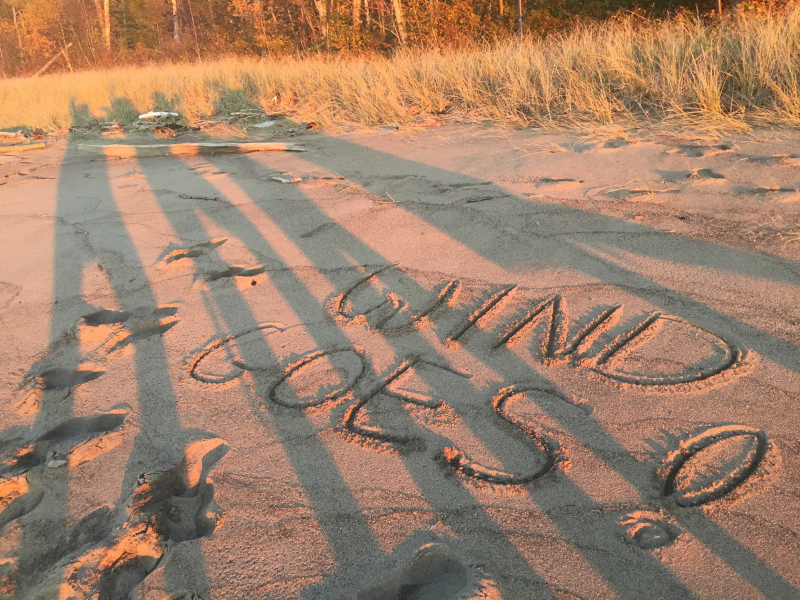
  • WIND Goes!

    We had our first annual "WIND GOES" event.  It is when WIND hits the road for a new adventure!  

    The G is for growth

    O is for openness

    E is for Energy

    S is for Strength!

    Our concentration was on hiking and art.

    IMG_2996

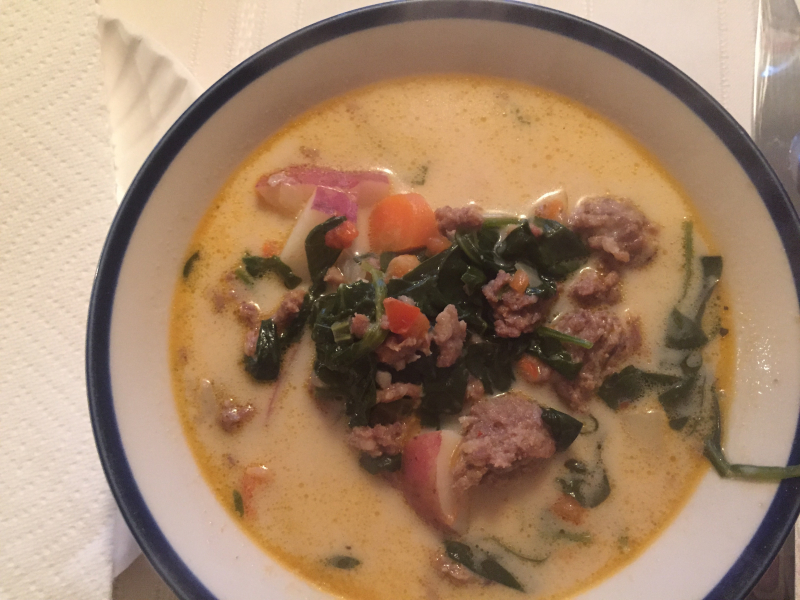
    Friday evening our chef made us a delicious pot of soup!  We had a wonderful evening of openness and sharing – thank you all for being you!

    IMG_2766

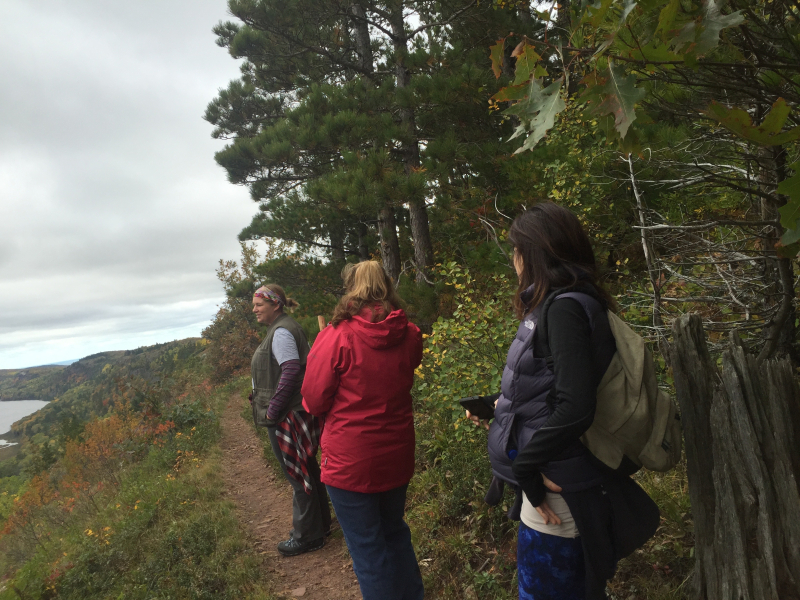
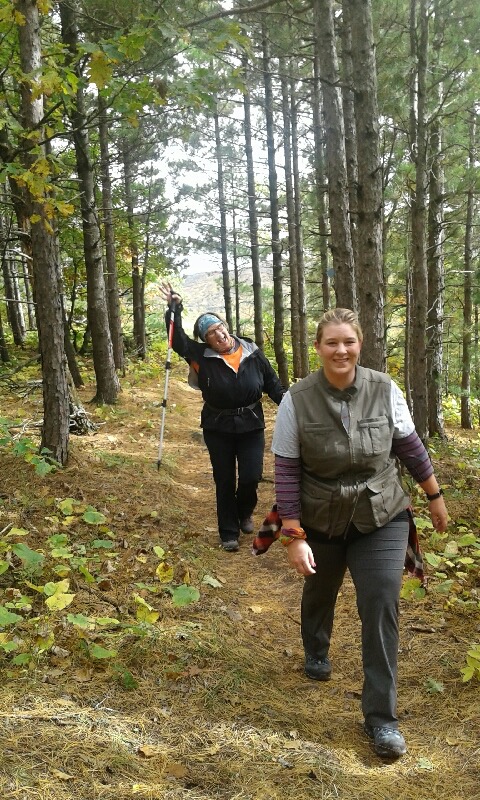
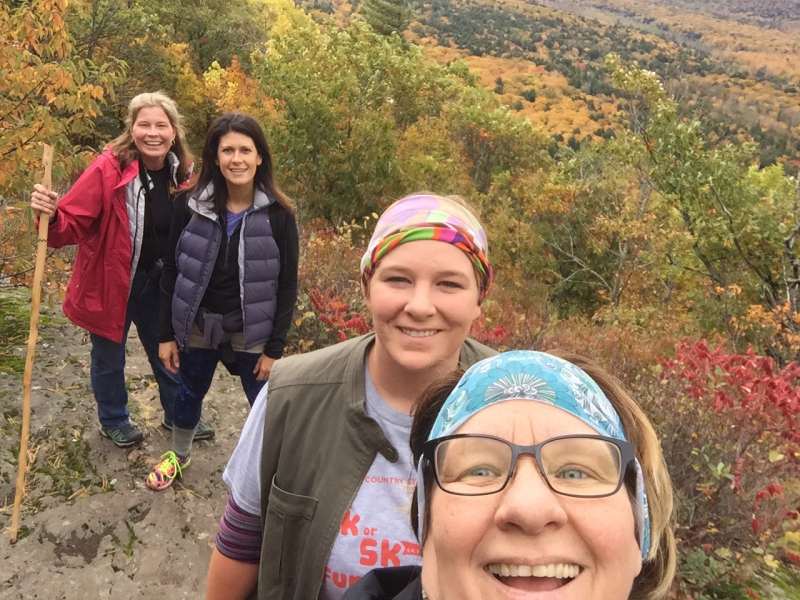
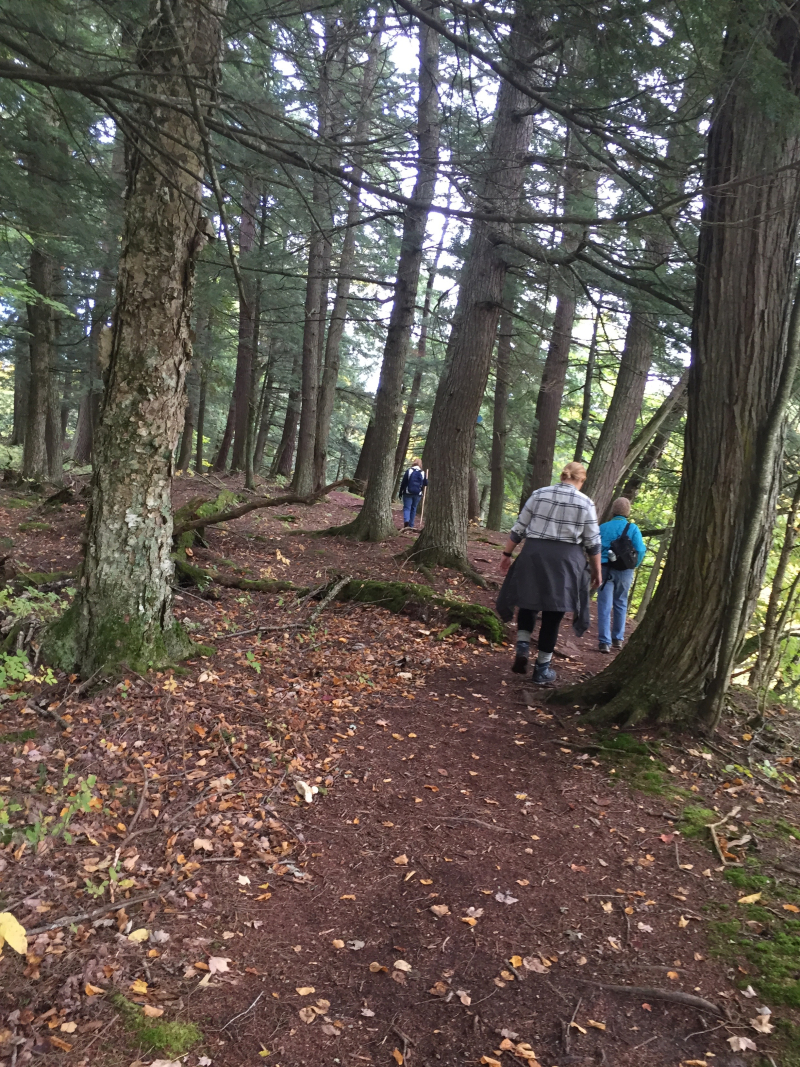
    Saturday morning was very cool and windy – but we ventured out and did a 5 1/2 mile hike on a trail that was very uphill and rocky, where we were on the ledge and then back into the forest and then up another hill.  In all, according to fit bit, we did 118 flights of stairs! It was very empowering to climb and breathe and climb to reach the end of the trail.

    IMG_2791

    I can see hiking different trails bring new skill sets…as well as hiking in different weather. The windchill was very cold this day high on the ridge!  Each time we stopped, we would feel a chill setting in with our heated bodies. So you can't dilly dally along the way!

    IMG_2798 (1)

    My hiking buddies for the first day!!! Badass girls!

    IMG_2784

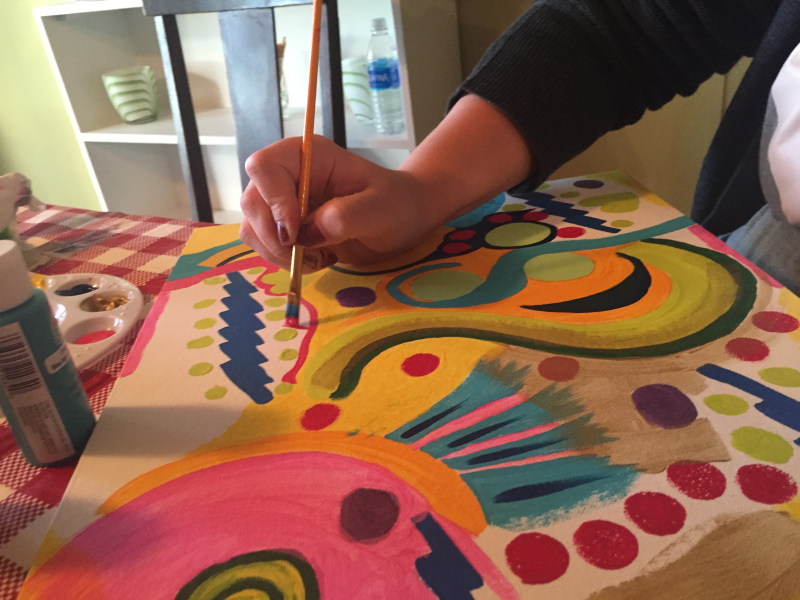
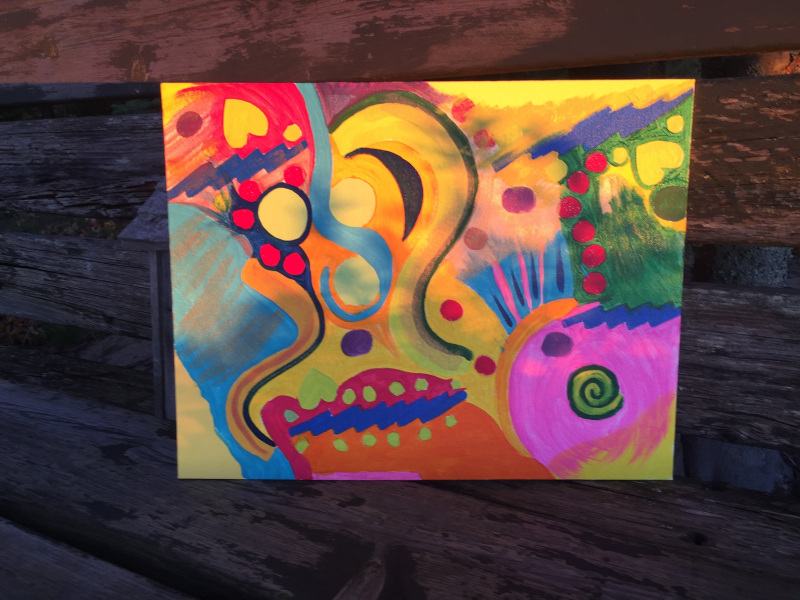
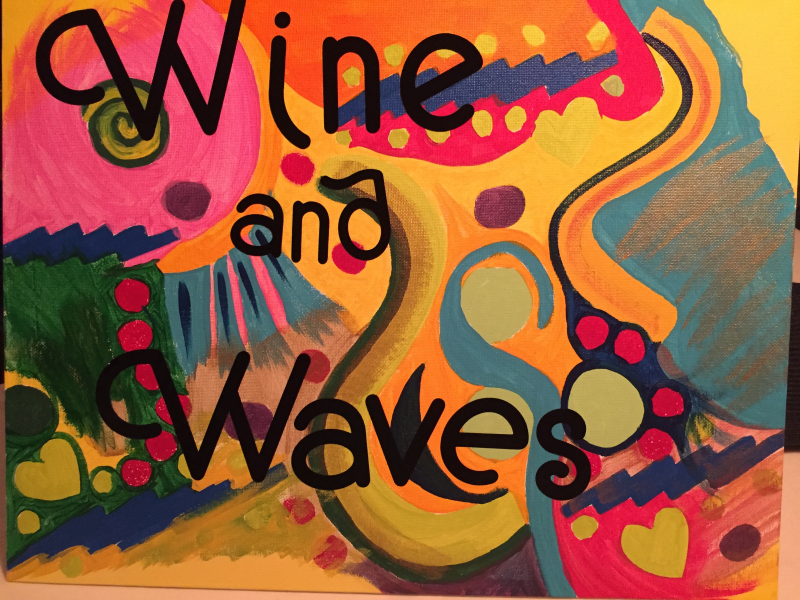
    We relaxed with Art after the hike.  We did a progressive painting, where each of us added something to the picture, rotating it until we filled the white space. This was so fun, we will be doing this again at our first November WIND meeting!

    IMG_2821T

    I totally love how this one turned out!

    IMG_2831 (1)

    And, then we added words.

    This was a gift from all of us to the women who opened her beach front home…IMG_2836

    On day two we headed out for another hike, bumping into a young female moose who was strolling along the highway.  I hope she finds her way to a moose community soon!

    IMG_2848

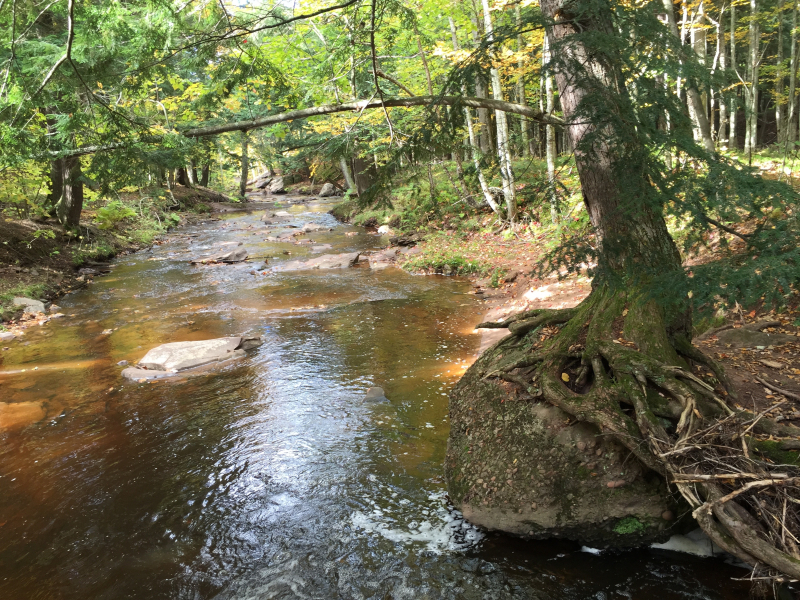
    Our second hike was so different from our first day. Still very chilly and windy, but this one was deep in the forest with less uphills.  Near the lake was a forest of tall trees and pine needle path, a rushing river along side the trail. This was one of my favorite stretches!

    IMG_2910

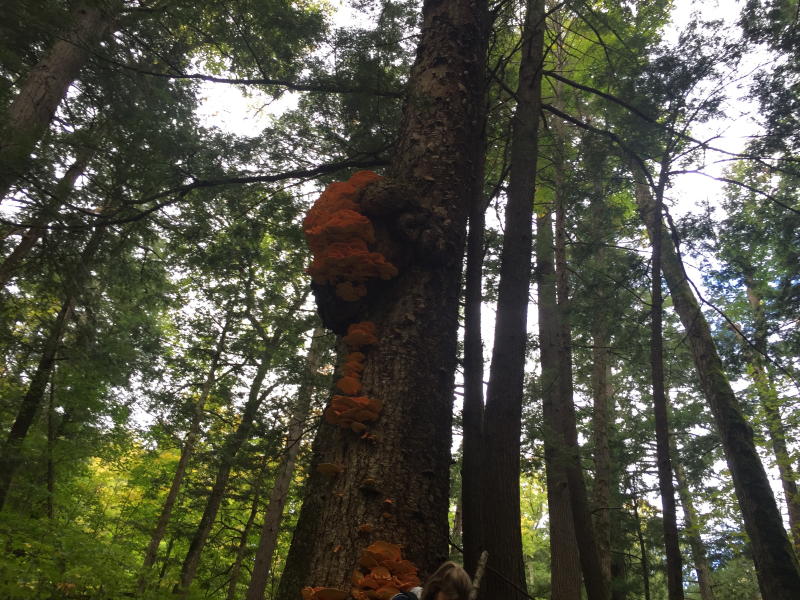
    This tree was dressed in what appeared to be frilly orange scarves….or lace.

    IMG_2892

    The fungus was wild on the trail…

    IMG_2896

    Nature's Art

    IMG_2935

    A wonderful hike of 7.2 miles and 38 flights of stairs!  I truly enjoyed this slower pace flatter hike!  Even if it was longer it felt much shorter!

    IMG_2946

    Trees and rock getting along so well!   

    My hiking partners on the second day!!!  

    IMG_2887

    Hiking makes us smile, fills us with great energy of calming nature essence!


  • What They See

    At a wedding, they spoke about Weather being a great tool for acceptance or for seeing reality.  I love this.

    For years I have listened to folks argue with reality…about the weather.

    When you are fully with the day's forecast you are walking in reality.

    Tilt your head back and feel the sun rays or the rain drops.

    You are learning how to accept what is.  You are not practicing denying.

    The weather always wins!

    I love this too.

    Remember, when you are wishing the weather be different, you are practicing denial of what is.  

    Practice accepting the weather as the first step in embracing reality. No matter what it is. Feel the 'bad' weather and the 'good'.  What is accepting to you and what is not.  Feel how this may also be a modality of the way you live.  How you may not always walk hand and hand with what is playing out; but rather live hiding in denial.

    Watch your thoughts and what they say about the sky.

    Then, watch what your thoughts say about other parts of your day.


      IMG_2692

    So, as you ponder the way you SEE the weather, it may be just as true how you see others.

    What is your 'idea' of them compared to who they are?

    And, others see you, may or may not be who you are.

    And, one more thought, which you do you present to the world?  Do you have a 'representative' like Glennon Doyle Melton speaks about OR do you only have one true self that arrives in each moment?

    I used to dress to deflect bad opinions or 'views' of me.  Not only dress,but walk, talk and move to be seen a certain way.  

    I didn't really have a self that was solely mine.  

    I didn't know a true Me.

    Which is why I was so drawn to nature – the sky and trees mostly.

    Each day while I was trying to figure out what was truth and what was fiction, the sun shone.  

    It rose and it set.  

    A tree stood as a tree each day.

    Each hour of each day.  

    It was my model of who I would be.

    I vowed to just be me.  

    No matter what.

    It was a long journey for my Self to reveal herself fully.

    IMG_2686 (2)

    When I was at a wedding recently, I chuckled about how I was presenting myself.

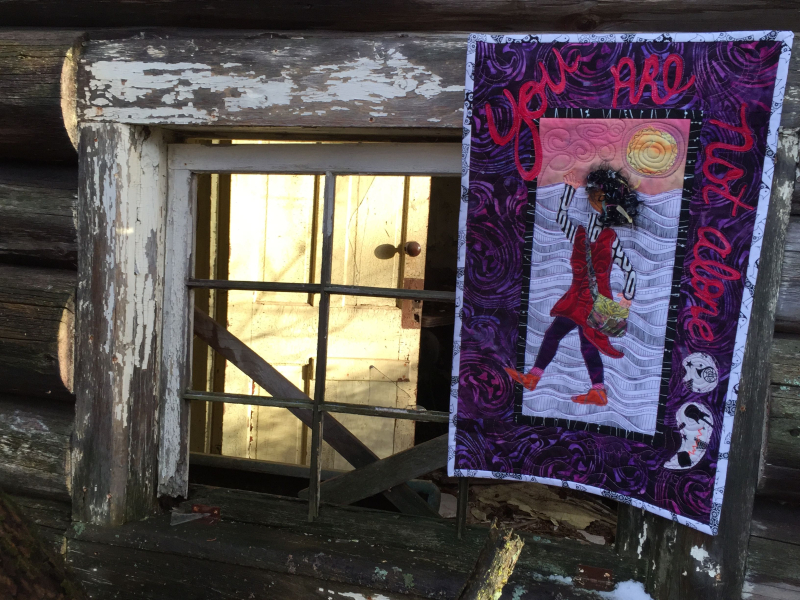
    The dress, the hiking boots, the stripped tights, the hiking poles and my wandering around all by myself. 

    It wasn't until I spoke to a couple of other guests about how I knew the Groom, and I replied, "I was in the documentary "Call Me Mental"…did I realize I was the mental lady at the wedding.

    And, this also colored the way I saw myself there.

    I couldn't help smiling.

    And, the more I smiled alone, the more I looked the part.

    It was a day and perhaps the beautiful hiking trails, but I wasn't in the mood for making small talk or even trying to communicate with strangers.  So, I would wander, sit and get up and wander some more.  

    I wasn't fitting into the normal nature of wedding guests.

    But, I was doing me perfectly.

    I love that I have grown beyond the good opinions of others and can carry the title Mental Lady without it ruining my day or self-image.

    I loved being at the wedding.

    I loved seeing the family I knew.

    I loved adding a bit of color to their guest list.

    IMG_2415

    As you step out into the world you are adding flavor and color to the landscape.

    It really doesn't matter how others paint you.

    What matters is what you give out.

    The energy of your step and response to the world around you.

    I am loving the flavor of the new Me.

    My truth has its own flavor.

    I am thinking denial doesn't have a natural scent.

    Your true self is powered by the same energy of the sun!

    And, like the weather.  

    Others may deny your truth.

    But that won't change the truth.

    It is their inner fight, not yours.

    You are like the weather.  

    Some will accept you and others won't.

    You be you, always!


    IMG_2678


  • Needless

    How a person with the least amount of self-esteem or self-worth can dominate a relationship has astounded me.  How is it possible for the least among us, to overpower each encounter?  It didn't seem even rational, how the lowest in worth could possibly dominate.

    It finally made sense to me.

    It isn't that they are emitting less energy, but have the most violent need.

    Their inner need is on high volume due to their lack of self awareness and worth.

    A person who is whole and less needy will not be seeking so violently.

    When you have so little worth, your energy need is screaming so loudly to be fulfilled.  

    Their fear tones overwhelm and push back love.

    It is to scream in a peaceful church.

    The scream will be noticed over the peaceful silence.

    I can see how dysfunctional relationships work, where two people's need energies need to be filled.  How you work to keep the energy volume turned down low, by dancing and fulfilling their need. Their screaming life threatening need to be served.

    Two empty tanks looking outside for others to fill them.

    Some may think this is an over exaggeration.  

    However, if you ever have had a relationship with someone who seems to be okay, and then suddenly erupts, you know, that the eruption is their base level need.  And, it is time again to feed the need.

    The need is unending.

    It will be appeased for awhile and then arise.

    What I know to be true, is that once I was able to see my heat seeking missile of no self, I was now in charge of my volume.

    When I had no separate self, when there was no Me in me, I was extremely needy.

    I needed to control.

    I needed to feel loved.

    I needed to be needed.

    I needed you to fill me.

    To complete me.

    To love me.

    To define me.

    To make me pretty, lovable, kind, happy, joyful, etc.

    I was powerless and therefore extremely loud in my needs and fears.

    When, I started to empower myself and define me, the volume started to lessen.

    My control of others lost its taste.

    I only craved personal empowerment.

    All my needs, desires and loves are inside of me.

    I need nothing from the outside world.

    I have no desire to control anyone.

    My life, my self, my emotions, feelings and expressions are where I want to be focused.

    What is the quote, "Be the change you want to see in the world".

    The screaming energies of folks with no self will never be satisfied. For they are screaming at themselves. They are the ones they are waiting for.

    Our world and relationships are only as good as the one with the least amount of self.

    The more empowered each person is, the stronger the relationship.

    The less need, the more value.

    What used to scare me was when someone needed nothing from me.

    Now, I am the most at peace with those without a need from me.

    All our needs are of our Self.

    All the screams I used to scream were trying to get myself to hear me.

    Which is why Byron Katie is so brilliant, when she turns the "You" into "I".

    Each time I feel out of control or feel a need from 'someone'…I know to look inside to see where I am not doing something that I need to do.   

    A free spirit is one without needs!

    To lovingly accept what is.

    To feel complete love inside.

    Needless.


    IMG_2525